Best Kung Fu Movies: Must-Have Martial Arts Classics
Best Kung Fu Movies: Must-Have Martial Arts Classics
Martial arts cinema has a rare kind of energy: it blends discipline, philosophy, style, and explosive action into stories that stay memorable long after the credits roll. From the elegant precision of old-school kung fu to the raw intensity of revenge-driven fight scenes, these films have shaped global action filmmaking for decades. Whether you are a longtime fan or just starting to explore the genre, certain kung fu classics deserve a place on every watchlist.
What makes these movies so enduring is not just the choreography. The best entries combine strong screen presence, emotional stakes, cultural identity, and a visual rhythm that turns combat into art. Below is a guide to some of the most essential titles, along with what makes each one worth watching.
Why Martial Arts Films Continue to Captivate Audiences
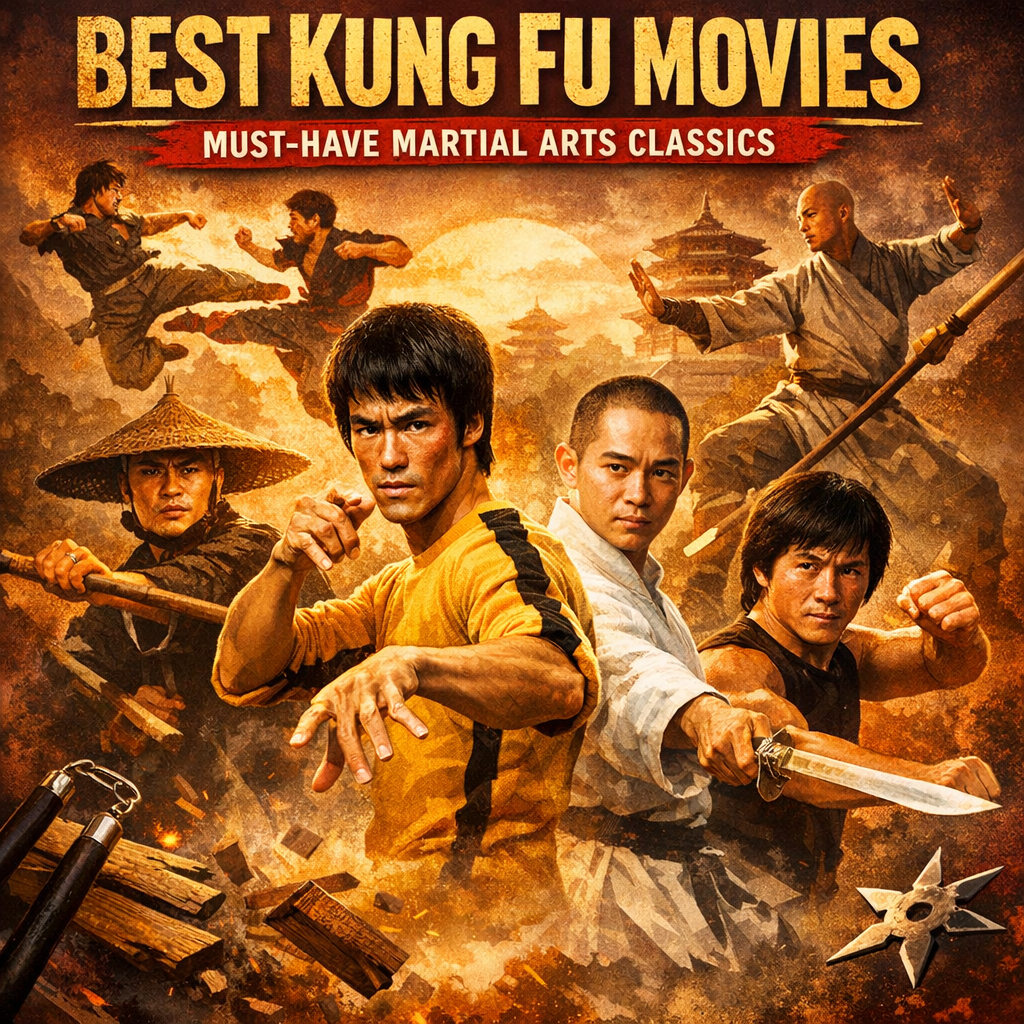
Kung fu movies offer more than spectacle. At their best, they tell stories about honor, resilience, justice, and self-mastery. The heroes are often underdogs, forced to overcome personal loss, harsh training, or powerful enemies. That narrative arc gives every duel more weight.
Another reason these films remain timeless is their physical authenticity. Before heavy CGI became common, performers relied on real movement, timing, and endurance. Audiences could feel the impact because the actors and stunt teams truly executed the sequences. This craftsmanship is one of the core pleasures of classic kung fu cinema.
Enter the Dragon
Few films have had the cultural reach of Enter the Dragon. Bruce Lee’s magnetic presence turned this movie into a landmark release and introduced many international viewers to kung fu storytelling. The plot follows Lee’s character as he enters a martial arts tournament linked to a criminal operation, but the real draw is the way the film showcases his speed, power, and philosophy.
Every scene with Bruce Lee feels purposeful. He is not simply fighting opponents; he is redefining what a screen fighter can be. The movie’s influence can still be seen in modern action cinema, from tournament narratives to lean, expressive combat choreography.
The 36th Chamber of Shaolin
If you want a film that captures the discipline behind kung fu mastery, The 36th Chamber of Shaolin is essential. Starring Gordon Liu, this classic is famous for its training sequences, which remain among the most iconic in the genre. Rather than rushing straight into combat, the movie focuses on transformation through hardship.
That slow build is exactly what makes the payoff so satisfying. Each challenge reveals a new layer of physical and mental growth, turning the protagonist’s journey into something deeply rewarding. For many fans, this is one of the purest expressions of traditional kung fu cinema.
Drunken Master
Jackie Chan changed the tone of the genre with Drunken Master, combining exceptional skill with comedy, creativity, and charm. Instead of presenting the hero as perfectly composed, the film embraces unpredictability. Chan’s version of the drunken boxing style is playful on the surface but astonishingly precise underneath.
This movie is important because it expanded what kung fu films could be. It proved that action could be funny without losing intensity, and that a flawed, mischievous lead could be just as compelling as a stoic warrior. Its influence on action-comedy remains enormous.
Martial Arts Legends and the Rise of Modern Classics
As the genre evolved, filmmakers began mixing old traditions with modern pacing and emotional depth. Several later films honored classic kung fu foundations while reaching broader audiences.
Once Upon a Time in China
Jet Li brought grace and intelligence to the role of Wong Fei-hung in Once Upon a Time in China. This film is rich in historical atmosphere and features beautifully staged action. Jet Li’s fighting style is fluid and controlled, making even the most intense confrontations look elegant.
Beyond the fights, the movie explores nationalism, identity, and social change. That gives it a depth that separates it from more straightforward action fare. It is one of the strongest examples of how kung fu films can balance spectacle with substance.
Fist of Legend
Another Jet Li standout, Fist of Legend, is often praised for its fast, clean choreography and emotional discipline. Loosely connected to earlier Bruce Lee material, the film tells a revenge story, but with more nuance than many standard genre entries. The fights are sharp, direct, and brilliantly filmed.
This is a favorite for viewers who appreciate technical precision. It strips away excess and focuses on movement, rhythm, and escalation. The result is one of the most rewatchable action films of its era.
Iron Monkey
Iron Monkey delivers high-flying action, strong pacing, and crowd-pleasing heroism. Donnie Yen’s presence adds serious fighting credibility, while the film’s wirework and choreography give it a mythic quality. It has the spirit of a folk legend but the energy of a modern action movie.
For anyone exploring kung fu films beyond the most obvious names, this is a great next step. It is accessible, exciting, and packed with inventive set pieces.
Crouching Tiger, Hidden Dragon
Though it leans into wuxia as much as traditional kung fu, Crouching Tiger, Hidden Dragon deserves mention for how beautifully it brought Chinese martial arts storytelling to a global audience. Directed by Ang Lee, the film blends romance, longing, honor, and breathtaking action into a visually poetic experience.
Its rooftop chases and airborne sword fights are famous for a reason. They do not just look impressive; they reflect the inner emotions of the characters. This film proved that martial arts cinema could be both commercially successful and artistically refined on the world stage.
Ip Man
Donnie Yen’s Ip Man introduced many modern viewers to Wing Chun and to the legendary teacher associated with Bruce Lee. What makes this film stand out is its balance of restraint and force. The protagonist is calm, dignified, and deeply principled, which makes his moments of action feel even more powerful.
The fight choreography is fast, crisp, and satisfying, but the film also succeeds because it gives the audience a hero worth rooting for. It helped revive interest in traditional kung fu narratives for a new generation.
What to Look for in Great Kung Fu Cinema
Not every action movie earns classic status. The most memorable ones usually share a few qualities:
– Distinctive fighting style: The action should feel unique to the characters and setting.
– Strong screen presence: Stars like Bruce Lee, Jackie Chan, Jet Li, and Donnie Yen elevate every scene.
– Emotional purpose: The best fights matter because the story gives them meaning.
– Inventive choreography: Great kung fu films surprise you with rhythm, space, and creativity.
– Cultural texture: Settings, values, and traditions often give these movies their identity.
Final Thoughts
Kung fu cinema has never been just about combat. It is about discipline, struggle, honor, transformation, and expression through movement. The classics continue to resonate because they offer more than action; they deliver character, atmosphere, and unforgettable style.
If you are building the perfect watchlist, start with foundational names like Enter the Dragon, The 36th Chamber of Shaolin, and Drunken Master, then expand into later standouts such as Once Upon a Time in China, Fist of Legend, and Ip Man. Together, these films show how rich and influential martial arts storytelling can be, from old-school training halls to modern cinematic masterpieces.
