Crime Movies: Best Must-Watch Classics of All Time
Essential Classic Crime Films You Shouldn’t Miss
Crime movies have long held a special place in cinema because they combine suspense, moral conflict, unforgettable characters, and stories that often reflect the darker side of society. From gangster epics and noir thrillers to police dramas and courtroom-centered tales, the genre has produced some of the most influential films ever made. These classics do more than entertain—they shape pop culture, redefine storytelling, and continue to inspire modern filmmakers.
What makes the genre so enduring is its flexibility. A great crime film can be stylish and poetic, brutal and realistic, or emotionally complex and tragic. Some focus on ambition and corruption, while others explore justice, loyalty, revenge, or the thin line between law and lawlessness. If you want to understand why this genre remains so beloved, these timeless picks are the best place to start.
Why crime movies remain timeless
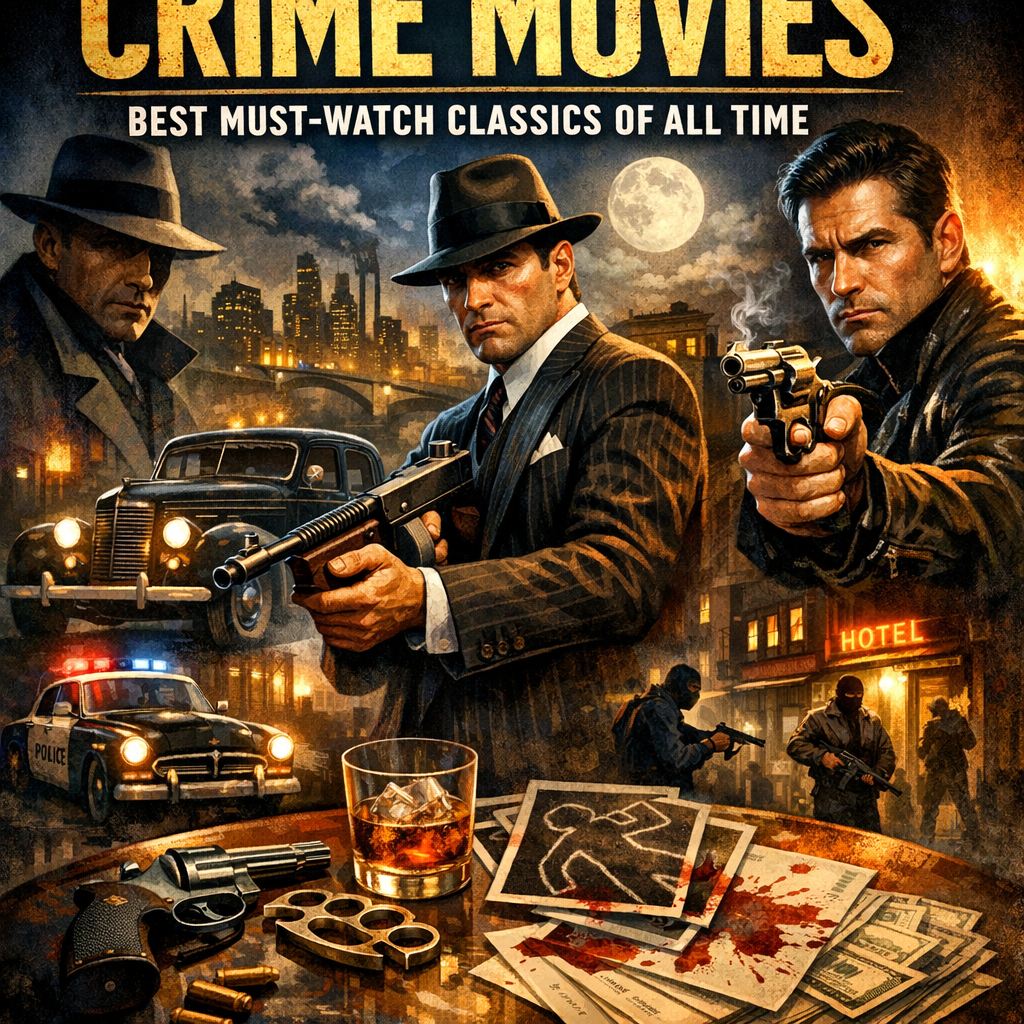
One reason audiences return to classic crime stories again and again is the human drama at their center. These films are rarely just about a robbery, murder, or investigation. They are about people under pressure—people making impossible choices, chasing power, protecting family, or paying the price for their own flaws.
Classic entries in the genre also tend to offer rich atmosphere. Whether it is the shadowy streets of film noir, the smoky interiors of gangster hideouts, or the tense silence of an interrogation room, the visual world of these films is often as memorable as the plot itself. Many of them introduced storytelling techniques, performances, and stylistic choices that are still copied today.
Must-watch crime movies that defined the genre
The Godfather (1972)
Few films have had the lasting impact of The Godfather. Directed by Francis Ford Coppola, this masterpiece transformed the gangster film into something operatic, emotional, and deeply layered. At its heart, it is not just a mob story but a family saga about power, legacy, and corruption.
Marlon Brando’s performance as Don Vito Corleone is iconic, but Al Pacino’s slow transformation into Michael Corleone is what gives the film much of its dramatic force. It is a movie about how violence and authority can reshape a person from the inside out. Elegant, tragic, and endlessly quotable, it remains essential viewing.
Goodfellas (1990)
Martin Scorsese’s Goodfellas brought a different kind of energy to the genre. Fast-paced, stylish, and darkly funny, it chronicles the rise and fall of mob associate Henry Hill. Unlike more romanticized gangster tales, this film shows both the thrill and the emptiness of criminal life.
What makes it unforgettable is its momentum. The editing, music, voiceover, and camera work all pull the viewer into a world that feels seductive at first and terrifying by the end. Ray Liotta, Robert De Niro, and Joe Pesci each deliver performances that elevate the film into one of the greatest crime stories ever put on screen.
The Godfather Part II (1974)
Sequels rarely match the original, but The Godfather Part II is one of the rare exceptions. In many ways, it expands and deepens the story even further. By moving between the rise of young Vito Corleone and Michael’s increasingly isolated rule, the film creates a powerful contrast between building a family empire and losing one’s soul to maintain it.
Robert De Niro’s portrayal of the younger Vito is masterful, and Pacino’s performance as Michael is colder and more haunting than ever. It is a film that rewards patience and attention, revealing more emotional weight with every viewing.
Double Indemnity (1944)
For those interested in the roots of modern thrillers, Double Indemnity is a must. Directed by Billy Wilder, this film noir classic tells the story of an insurance salesman who is drawn into a murder plot by a manipulative woman. The setup is simple, but the execution is razor-sharp.
Its sharp dialogue, shadowy cinematography, and atmosphere of doom helped define noir storytelling. More importantly, it established a template for crime films centered on desire, greed, and inevitable downfall. Even decades later, it still feels clever, tense, and strikingly modern.
Chinatown (1974)
Chinatown stands apart because it combines mystery, corruption, and personal tragedy in a way that is both elegant and deeply disturbing. Set in 1930s Los Angeles, the film follows private investigator J.J. Gittes as he uncovers a conspiracy far larger and darker than he expected.
Jack Nicholson brings charisma and vulnerability to the role, while director Roman Polanski crafts a world where truth offers no real comfort. The film’s slow unraveling, unforgettable ending, and layered writing have made it one of the most respected entries in the genre.
Heat (1995)
Michael Mann’s Heat is a towering crime epic that explores obsession from both sides of the law. The film follows a disciplined master thief and the detective determined to catch him, with Robert De Niro and Al Pacino playing these roles in unforgettable fashion.
What sets Heat apart is its balance of action and psychology. The famous downtown shootout is one of the greatest action sequences ever filmed, but the emotional core lies in the similarities between hunter and hunted. It is a film about professionalism, loneliness, and the personal cost of total commitment.
The Maltese Falcon (1941)
As one of the foundational detective films, The Maltese Falcon helped define the hard-boiled style that shaped countless movies after it. Humphrey Bogart stars as Sam Spade, a private investigator pulled into a dangerous search for a priceless statuette.
The plot is filled with deception, shifting loyalties, and memorable dialogue, but the film’s true strength lies in its tone. Cool, intelligent, and morally ambiguous, it remains one of the purest examples of classic crime storytelling.
Scarface (1983)
Bold, excessive, and unforgettable, Scarface tells the rise-and-fall story of Tony Montana, a Cuban immigrant who builds a drug empire in Miami. Directed by Brian De Palma and powered by Al Pacino’s explosive performance, the film became a cultural phenomenon.
While its violence and ambition are larger than life, its central warning is clear: unchecked greed and ego destroy everything. Over time, it has become one of the most talked-about gangster films ever made.
What makes these classics worth revisiting
The best crime films do not rely only on twists or shootouts. They leave a lasting impression because they say something meaningful about ambition, loyalty, fear, or justice. Many of these movies also feature extraordinary craftsmanship—careful writing, atmospheric cinematography, unforgettable scores, and performances that stay with you for years.
They are also highly rewatchable. On a first viewing, the suspense may pull you in. On later viewings, you begin to notice the subtleties: the moral tension, the symbolism, the quiet moments that reveal character, and the way each decision sets tragedy into motion.
Final thoughts
Classic entries in this genre remain essential because they deliver more than crime and punishment. They offer gripping stories wrapped around timeless human struggles. Whether you prefer the operatic scale of mafia epics, the shadowy elegance of noir, or the realism of modern heist dramas, these films represent the genre at its finest.
If you are building a watchlist, start with these landmark titles. They are not just important works of cinema—they are films that continue to define what great storytelling looks like.
