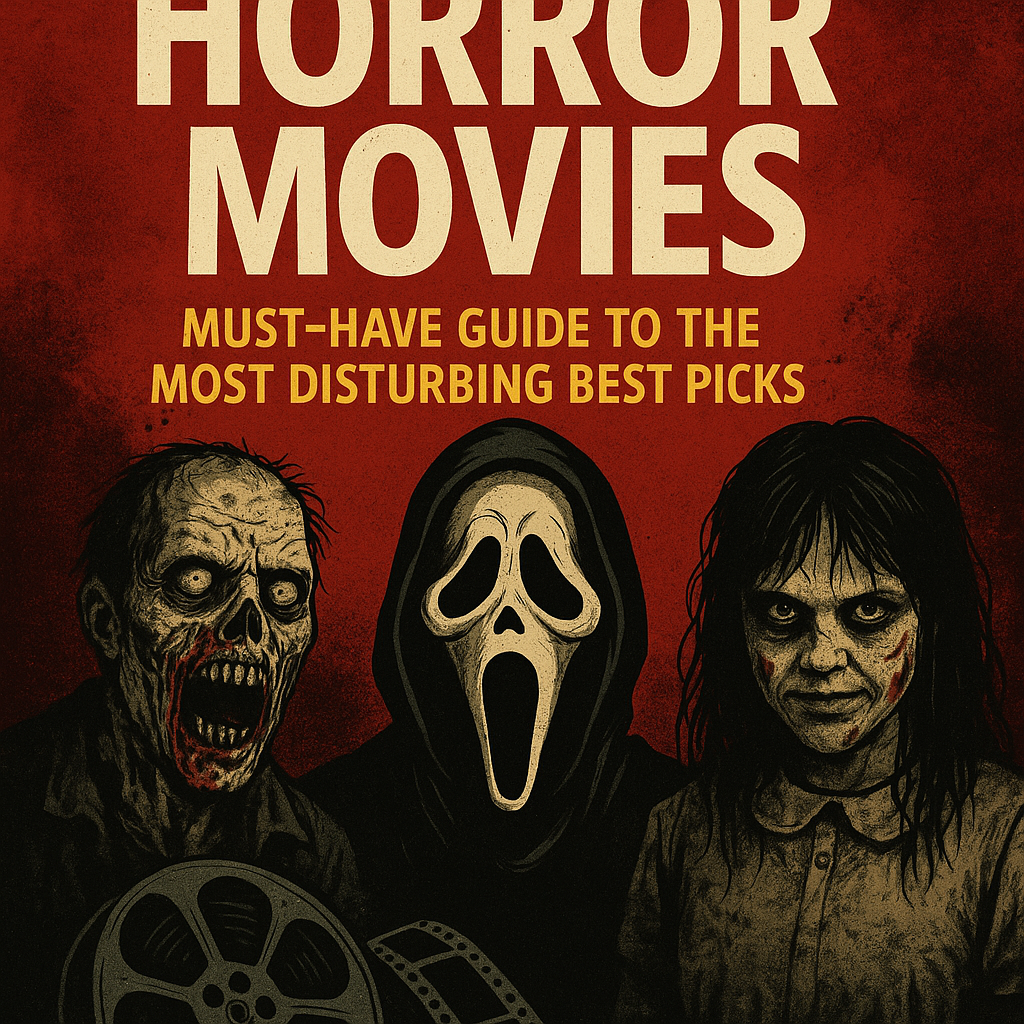
Horror Movies: Must-Have Guide to the Most Disturbing Best Picks
- Why Horror Movies Feel So Disturbing
- Horror Movies That Disturb in Different Ways
- Psychological Horror
- Supernatural Horror
- Body Horror
- Realistic or Human Horror
- Best Disturbing Picks for Different Tastes
- For classic fear
- For modern intensity
- For extreme discomfort
- For smart, elevated storytelling
- How to Choose the Right Horror Movies for You
- What Makes the Best Picks Worth Watching
- Final Thoughts
A Viewer’s Guide to the Most Unsettling Films Worth Watching
Horror movies have a unique ability to get under the skin in ways no other genre can. They do more than provoke screams—they create dread, tension, shock, and sometimes even deep emotional discomfort. For some viewers, the appeal lies in supernatural terror. For others, it is the psychological intensity, the grotesque imagery, or the disturbing realism that lingers long after the credits roll. If you are looking for the most unsettling films the genre has to offer, this guide will help you understand what makes certain titles so powerful and which ones deserve a place on your watchlist.
Why Horror Movies Feel So Disturbing
The best frightening films are not simply built on jump scares. Truly disturbing cinema works because it taps into primal fears: death, isolation, madness, loss of control, and the unknown. A great filmmaker knows how to build suspense through atmosphere, sound design, pacing, and character vulnerability.
What makes one title more disturbing than another often depends on the kind of fear it explores. Some films terrify through realism, showing situations that feel frighteningly possible. Others go in the opposite direction, using surreal imagery or supernatural threats that feel impossible to escape. The most memorable entries often combine both approaches, grounding bizarre events in believable human emotion.
Another reason these films stay with viewers is that the strongest examples do not always offer easy relief. They leave questions unanswered, force audiences to sit with discomfort, and challenge the idea that everything will be neatly resolved.
Horror Movies That Disturb in Different Ways
Not all unsettling stories aim for the same effect. If you want to explore the genre more intentionally, it helps to break it down into distinct types of fear.
Psychological Horror
Psychological horror focuses on paranoia, unstable reality, and the collapse of the mind. These films often feel more intimate than monster-driven stories because they trap the audience inside a character’s mental state.
Some of the strongest examples include:
– The Shining – A slow-burning nightmare of isolation, madness, and creeping dread.
– Black Swan – A stylish and deeply uncomfortable descent into obsession and self-destruction.
– Hereditary – A devastating family tragedy that blends grief with pure terror.
These films are effective because they do not rely solely on external threats. Instead, they blur the line between internal and external horror, making every moment feel uncertain.
Supernatural Horror
Supernatural stories tap into fear of forces beyond human understanding. When done well, they make viewers feel powerless in the face of something ancient, invisible, or evil.
Essential picks include:
– The Exorcist – Still one of the most shocking possession films ever made.
– The Conjuring – A modern favorite with classic haunted-house energy and intense set pieces.
– The Ring – Eerie, mournful, and unforgettable in its visual style.
These films work best when they create atmosphere rather than overexplain their mythology. The unknown is often scarier than anything fully revealed.
Body Horror
Body horror is not for everyone, but it remains one of the most disturbing corners of the genre. These films focus on transformation, disease, mutation, and loss of physical autonomy.
Notable examples include:
– The Fly – Equal parts tragedy and disgust, with one of the genre’s great physical transformations.
– Videodrome – Strange, confrontational, and deeply unsettling.
– Raw – A bold, modern story that mixes coming-of-age drama with visceral shock.
This subgenre works because it attacks a fundamental fear: that our bodies can betray us.
Realistic or Human Horror
Some of the most upsetting stories contain no ghosts, curses, or monsters at all. They are terrifying because they reflect human cruelty, social collapse, or survival situations that feel plausible.
Strong examples include:
– The Texas Chain Saw Massacre – Dirty, chaotic, and still deeply disturbing.
– Funny Games – Cold, confrontational, and emotionally exhausting by design.
– The Silence of the Lambs – A thriller with horror DNA, unforgettable for its psychological menace.
These films can be especially difficult because they feel close to reality.
Best Disturbing Picks for Different Tastes
If you are not sure where to begin, the right choice depends on the kind of experience you want.
For classic fear
Try Psycho, Rosemary’s Baby, or The Exorcist. These older films remain influential because they understand pacing, tension, and psychological impact.
For modern intensity
Go with Hereditary, The Witch, or It Follows. These titles show how contemporary filmmakers use atmosphere and symbolism to create dread.
For extreme discomfort
If you are ready for something more intense, films like Martyrs, Audition, or Inside are often cited among the most disturbing ever made. These are best approached with caution, as they are emotionally and visually harsh.
For smart, elevated storytelling
Choose Get Out, Saint Maud, or Midsommar. These films combine fear with social commentary, character study, or striking visual style.
How to Choose the Right Horror Movies for You
The genre is broad, so it is worth knowing your boundaries before diving into the darkest selections. Ask yourself a few simple questions:
– Do you enjoy slow tension or fast shocks?
– Are you comfortable with gore?
– Do you prefer supernatural stories or realistic ones?
– Are you looking for fun scares or emotionally heavy material?
Some viewers love intense imagery but dislike bleak endings. Others can handle dark themes but avoid body horror. Knowing your preferences can save you from picking something that feels more punishing than entertaining.
It is also a good idea to check content warnings if you are sensitive to certain subjects. Many acclaimed films deal with grief, abuse, trauma, or violence in graphic ways. A more informed viewing experience is often a better one.
What Makes the Best Picks Worth Watching
The most effective unsettling films are not memorable just because they shock. They stay relevant because they are well crafted. Strong performances, sharp direction, layered themes, and unforgettable imagery elevate them beyond simple scare machines.
A title like Hereditary is powerful not just because it is frightening, but because it also explores grief and family breakdown. The Shining works because its horror is tied to isolation and emotional decay. Get Out stands out because it uses genre storytelling to deliver social insight. The strongest entries leave viewers thinking as much as trembling.
Final Thoughts
Whether you prefer psychological dread, supernatural terror, or brutally realistic fear, the genre offers something for every type of brave viewer. The key is to choose films that match your tolerance and interests while remaining open to the many ways fear can be expressed on screen. Some stories will make you jump, others will disturb you quietly, and a few may stay in your mind for years.
If you are building a watchlist, start with a mix of classics and modern standouts. That approach gives you a better sense of how the genre has evolved—and why it continues to fascinate audiences. The most disturbing picks are not always the loudest or bloodiest. Often, they are the ones that understand exactly how to make fear feel personal.
