Survival Movies: Best Must-Watch Wilderness Survival Films
Survival Movies: Best Must-Watch Wilderness Survival Films
Survival movies have a special kind of pull: they strip life down to its essentials and force characters to face nature, fear, hunger, injury, and isolation with nothing but instinct and determination. In wilderness-focused stories, the environment becomes more than a backdrop—it becomes the main threat, the harsh teacher, and sometimes the only companion. Whether you enjoy realistic tales of endurance or intense thrillers set in snow, forest, mountains, or open water, this genre delivers some of the most gripping experiences in film.
What makes these films so memorable is their ability to combine action with emotion. A good wilderness survival story is not just about escaping danger. It is about resilience, problem-solving, sacrifice, and the deep human urge to keep going even when the odds look impossible. These movies often leave viewers asking an important question: what would I do in the same situation?
Why Wilderness Stories Stand Out
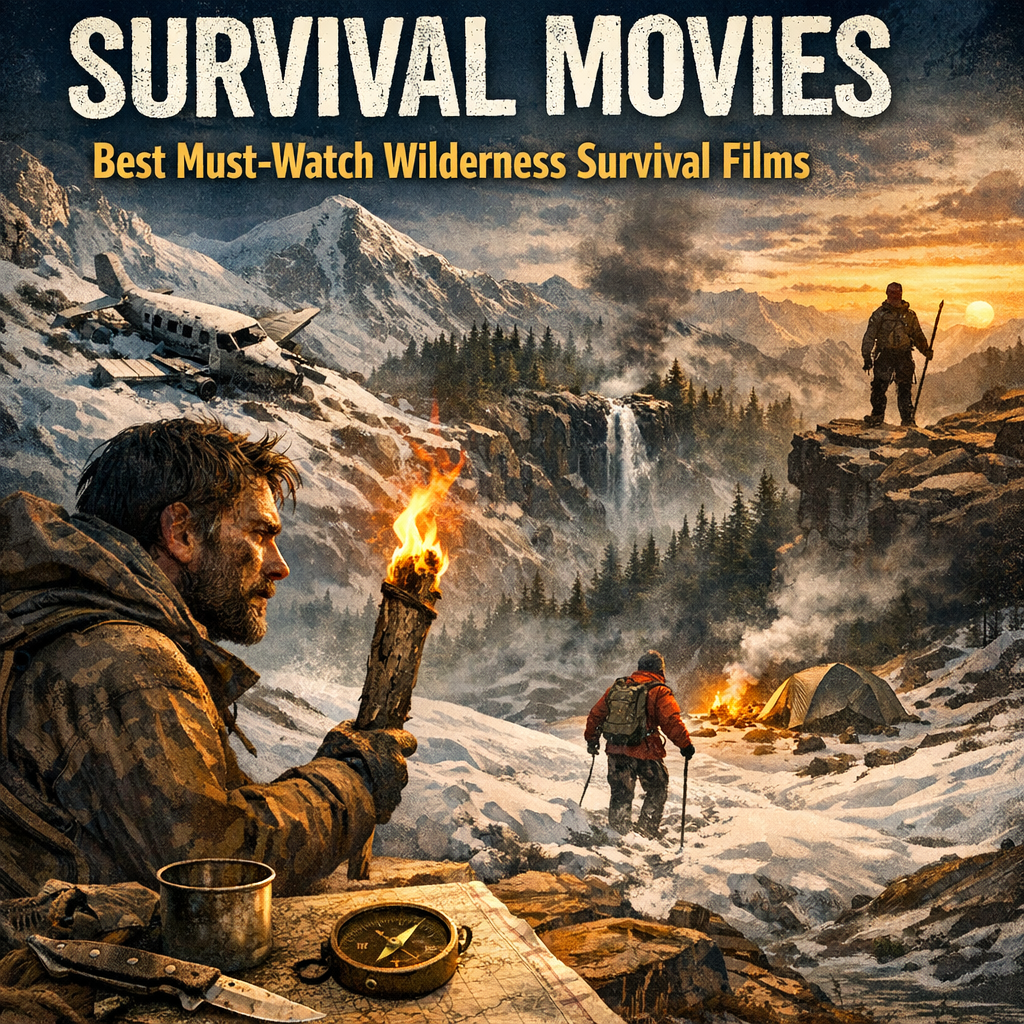
There is something uniquely compelling about people surviving in remote, unforgiving landscapes. In urban thrillers, help may be nearby. In the wilderness, there is often no rescue in sight, no easy communication, and no room for error. Every decision matters.
This setting creates a natural intensity. Cold weather, wild animals, lack of food, injuries, and mental exhaustion all become serious obstacles. Unlike many action-heavy films, the tension in these stories often comes from realism. A simple mistake—crossing thin ice, eating the wrong plant, or using precious energy too quickly—can be deadly.
Wilderness films also tend to be visually stunning. Snow-covered mountain ranges, endless forests, rough seas, and empty deserts create a powerful contrast between beauty and danger. That balance is one reason these stories remain so popular.
Best Survival Movies Set in the Wilderness
If you are building a watchlist, these standout films deserve a place on it.
1. The Revenant (2015)
A brutal and visually breathtaking film, The Revenant follows a frontiersman left for dead after a bear attack. What follows is an intense journey through freezing landscapes, physical agony, and near-impossible conditions. The film is known for its immersive realism, powerful performances, and haunting natural settings.
Why watch it:
– Stunning cinematography
– Raw survival detail
– A strong mix of endurance and revenge
2. 127 Hours (2010)
Based on a true story, this film tells the story of climber Aron Ralston, who becomes trapped while canyoneering alone. Though much of the movie takes place in one location, it remains one of the most intense survival films ever made. It captures the psychological side of survival as much as the physical challenge.
Why watch it:
– True-story intensity
– Strong emotional core
– A powerful look at human will
3. Into the Wild (2007)
More reflective than action-driven, Into the Wild explores the journey of a young man who abandons modern life to live in the Alaskan wilderness. It is part survival story, part personal search for meaning. The film raises difficult questions about freedom, idealism, and the limits of self-reliance.
Why watch it:
– Thought-provoking story
– Beautiful scenery
– Emotional and philosophical depth
4. The Grey (2011)
This tense survival thriller follows a group of oil workers stranded in the Alaskan wilderness after a plane crash. They must battle freezing temperatures, exhaustion, and a pack of wolves stalking them through the snow. The film uses survival as a lens for exploring fear, grief, and purpose.
Why watch it:
– Relentless tension
– Harsh winter setting
– Strong atmosphere and emotional weight
5. Cast Away (2000)
Although set on an island rather than a forest or mountain range, Cast Away remains one of the most iconic survival films ever made. A man stranded alone after a plane crash must learn how to find food, make shelter, and preserve hope. It is a quiet but unforgettable portrayal of isolation and adaptation.
Why watch it:
– Classic survival storytelling
– Strong character-driven narrative
– Memorable depiction of solitude
6. Arctic (2018)
Minimalist and effective, Arctic follows a man stranded in a frozen landscape after a crash. The film keeps dialogue to a minimum and focuses on the practical realities of staying alive in brutal cold. It is a restrained, realistic take on survival that feels both immediate and believable.
Why watch it:
– Lean, focused storytelling
– Strong visual tension
– A realistic survival scenario
7. All Is Lost (2013)
This film centers on a lone sailor fighting to stay alive after his boat is damaged at sea. With very little dialogue, it relies on visual storytelling and problem-solving under pressure. It is a masterclass in showing rather than telling.
Why watch it:
– Excellent quiet suspense
– Realistic struggle against nature
– Strong solo performance
What Makes Great Survival Movies So Effective?
Survival Movies Balance Action and Human Emotion
The most memorable films in this genre do more than place characters in danger. They explore how extreme situations reveal personality, weakness, and strength. Survival is not just physical—it is mental and emotional. Panic, loneliness, regret, guilt, and hope all play major roles.
A great wilderness film often asks:
– How long can a person stay calm under pressure?
– What happens when survival instincts clash with morality?
– Can hope survive when rescue seems impossible?
These questions give the genre weight and keep it from feeling repetitive.
Nature Becomes the True Antagonist
One reason survival movies feel so different from standard thrillers is that the enemy is often not a villain but the environment itself. Storms do not negotiate. Cold does not care. Hunger does not pause. This makes the conflict feel primal and universal.
In many of the best films, nature is portrayed with respect rather than as a simple obstacle. The wilderness can be majestic and merciless at the same time. That complexity adds depth and realism.
True Story Survival Films vs Fictional Adventures
Some viewers prefer films based on real events because they bring an extra layer of emotional impact. Knowing that a person actually endured these circumstances can make every scene more intense. Movies like 127 Hours and The Revenant draw part of their power from that connection to reality.
Fictional survival stories, however, can go in creative directions and push themes more boldly. They may combine survival with horror, mystery, or psychological drama. Both approaches have value, and the best choice depends on what kind of experience you want.
If you want realism, choose films grounded in actual events or practical problem-solving. If you want heightened suspense, fictional stories often deliver bigger emotional swings and more dramatic danger.
How to Choose the Right Film for Your Mood
Not every survival film feels the same. Some are meditative, while others are relentless.
Choose these if you want:
– Intense physical struggle: The Revenant, Arctic, The Grey
– Psychological survival: 127 Hours, All Is Lost
– Emotional reflection: Into the Wild, Cast Away
– Harsh winter settings: The Grey, Arctic, The Revenant
Thinking about tone can help you pick the right watch for the night. Some are exhausting in the best way, while others are quieter and more reflective.
Final Thoughts
Wilderness survival films remain popular because they tap into something deeply human. They remind us how fragile life can be, but also how resourceful and determined people can become when everything is on the line. The best ones are thrilling, emotional, and often visually unforgettable.
If you are looking to explore the genre, start with a mix of classics and modern standouts. From icy mountain ranges to deserted islands and remote canyons, these stories offer more than suspense—they offer a closer look at endurance, instinct, and the will to survive.
